Navigating the Seasons: The Definitive Guide to Traveling from Labuan Bajo to Komodo Island
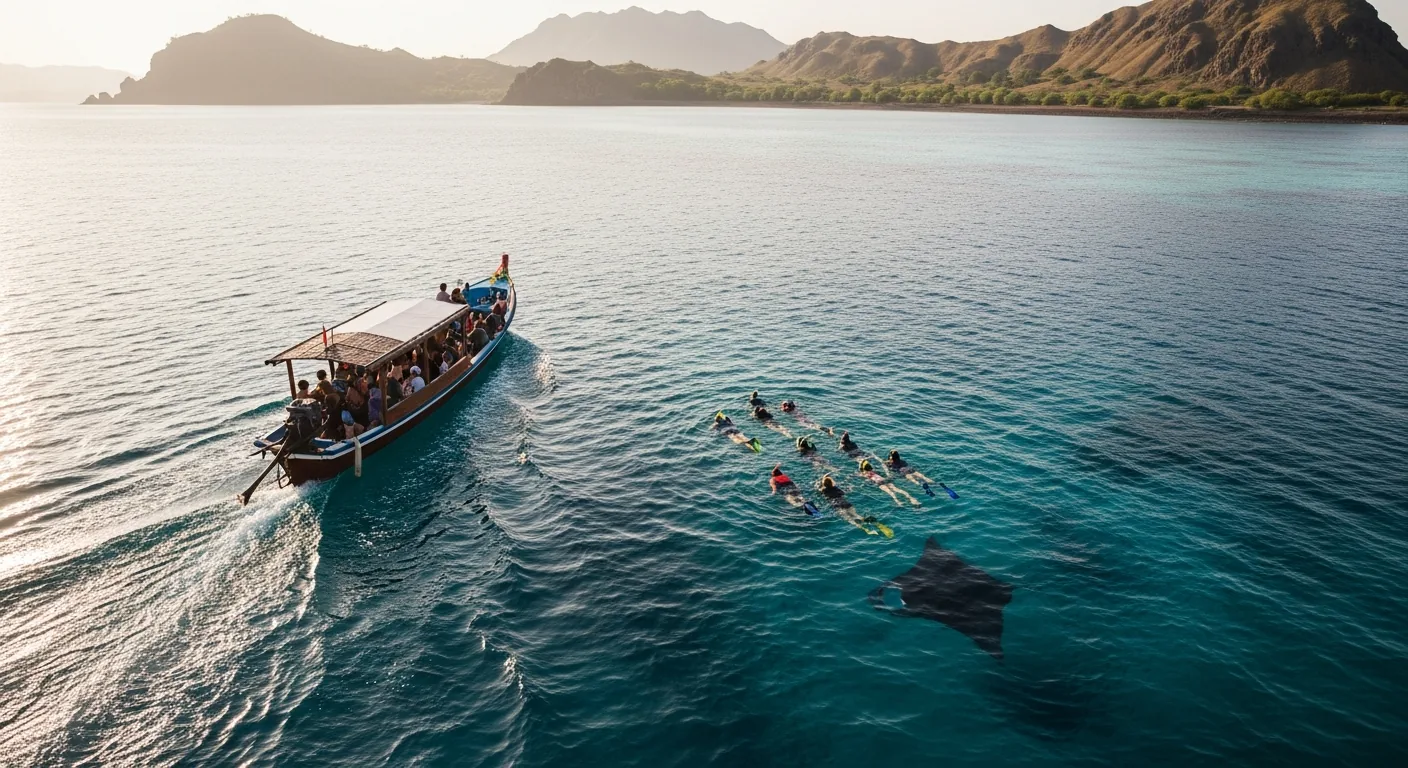
The pre-dawn air in Labuan Bajo carries a specific weight—a mixture of salt, diesel from the phinisi schooners, and the faint scent of frangipani. From the town’s terraced hills, the harbor is a collection of dark silhouettes against a brightening sky. Hundreds of vessels, from humble fishing boats to magnificent multi-masted yachts, await their daily exodus into the Komodo National Park. The question for the discerning traveler standing here is not if they will go, but precisely when. The passage from Labuan Bajo to Komodo Island is governed by a force more powerful than any captain: the monsoon. Choosing between the celebrated Dry Season and the reclusive Wet Season is the single most critical decision you will make, dictating everything from marine visibility to the solitude of your experience.
This is not a simple choice between sun and rain. It is a strategic calculation of trade-offs. It is the difference between sharing Padar Island’s summit with a hundred other hikers or having it almost entirely to yourself. It determines whether you will see manta rays in crystalline water or witness the Komodo dragons at their most active, energized by the rain. Here, we dissect the nuances of Komodo’s two distinct seasons to inform your travel calculus. See also: Labuan Bajo to Komodo Island Transit About.
The Komodo Calendar: A Tale of Two Seasons
Komodo National Park, a UNESCO World Heritage site established in 1980, operates on a rhythm dictated by the northwest and southeast monsoons. This binary climate system creates two profoundly different environments for exploration. Understanding their fundamental characteristics is the first step in aligning the timing of your trip with your personal priorities. See also: Contact pricing.
The Dry Season, running broadly from April through November, is defined by the southeast monsoon. This period brings arid air from the Australian continent, resulting in minimal rainfall, clear skies, and consistently calm seas. Average rainfall in months like July and August can be less than 20mm. This is Komodo’s high season, when the tourism infrastructure of Labuan Bajo operates at maximum capacity. The landscape transforms from green to a sun-baked savanna of gold and brown, particularly from August onwards.
Conversely, the Wet Season, from December to March, is a product of the northwest monsoon. This system carries moisture-laden air, resulting in higher humidity, frequent (though often short-lived) rain showers, and stronger winds that can produce choppier sea conditions. January is typically the wettest month, with precipitation often exceeding 200mm. While this can introduce logistical challenges, it also triggers a dramatic greening of the islands and a notable decrease in visitor numbers, offering a more intimate encounter with the park.
The Dry Season (April – November): Peak Visibility, Peak Crowds
For many, the dry season represents the archetypal Komodo experience. The conditions are, by most measures, ideal for marine activities. “From a diving perspective, this is the premium window,” notes Anto Wibowo, a divemaster with over a decade of experience navigating these waters. “Water clarity at sites like Batu Bolong and Siaba Besar can exceed 30 meters. The surface is calm, making the boat to Komodo a placid and comfortable affair. It’s the best time to guarantee sightings of large manta ray aggregations at Manta Point, as the plankton they feed on is abundant.” See also: Home.
The trade-offs, however, are significant and should not be underestimated. The popularity of this period means that iconic locations can feel congested. A sunrise trek up Padar Island in July might involve sharing the narrow path with dozens of other visitors. The famous Pink Beach (Pantai Merah) sees a constant rotation of speedboats, each depositing groups for their requisite photos. Prices reflect this demand; a private speedboat for a komodo island day trip can cost upwards of $1,200 USD, a 20-30% premium over the low season. A berth on a reputable mid-range phinisi for a 3-day, 2-night labuan bajo komodo tour can run from $600 to $900 USD per person, with bookings often required 6-9 months in advance.
Key Considerations for the Dry Season:
- Optimal Marine Conditions: Unrivaled water clarity for snorkeling and diving. Sea temperatures are a comfortable 27-29°C.
- Logistical Certainty: Extremely low probability of weather-related tour cancellations. All islands and dive sites are accessible.
- Elevated Costs and Crowds: Expect to pay a premium for all services, from flights into Labuan Bajo (LBJ) to boat charters. Key sites are busy.
- Arid Landscapes: The islands take on a stark, savanna-like beauty, but lack the lush greenery of the wet season. The heat on exposed treks can be intense.
The Wet Season (December – March): Verdant Landscapes and Solitude
To dismiss the wet season is to overlook an entirely different, and for some, more rewarding, side of Komodo. The rains, which typically arrive in short, intense bursts in the afternoon, rejuvenate the landscape. The parched hills of Padar and Gili Lawa transform into carpets of vibrant green, offering a dramatic contrast against the turquoise sea. “The park feels alive in a different way,” says local guide and naturalist Hendra Gunawan. “The dragons are often more active. The cooler temperatures and rain seem to invigorate them, and we see more territorial disputes and activity around waterholes on Rinca Island.” See also: Day Trip Komodo Island.
The most compelling advantage is the significant reduction in tourism. You can find yourself as one of only a handful of people at major viewpoints. This solitude extends to the water. While underwater visibility may be reduced to 10-15 meters and some northern dive sites can be inaccessible due to surface chop, the southern sites around Nusa Kode, sheltered from the northwest winds, often come into their prime. The primary challenge is the sea state. Open water crossings can be rough, and tour operators may alter itineraries or, in rare cases of severe weather, cancel trips. A flexible schedule is essential. For those prone to seasickness, this period warrants careful consideration. However, the reward is a more personal and untamed experience of the park, often at a lower price point. A private boat to komodo that costs $1,200 in August might be secured for $850 in February.
Key Considerations for the Wet Season:
- Lush Scenery and Fewer People: Experience the islands at their most verdant and enjoy major attractions without the crowds.
- Active Wildlife: Komodo dragons can be more dynamic. It’s also a good time for birdwatching.
- Potential for Rough Seas: The primary drawback. Be prepared for choppy water and potential itinerary changes. January and February see the strongest winds.
- Reduced Underwater Visibility: Runoff from the islands can impact clarity, though diving is still very much possible and rewarding in protected areas.
A Month-by-Month Analysis for the Strategic Traveler
Choosing your season is a good start, but a deeper analysis of the shoulder months can yield the best of both worlds. The period from April to June offers a sweet spot, with the green landscapes of the wet season lingering but the dry, stable weather beginning to take hold. Similarly, September to November sees thinning crowds but retains excellent marine conditions before the rains begin in earnest.
| Month | Weather & Seas | Landscape | Crowds & Price | Marine Life |
|---|---|---|---|---|
| April – May | Calm seas, minimal rain, sunny. Transitioning to dry. | Lush green from recent rains. Visually spectacular. | Moderate. Prices begin to rise post-Easter. A good value window. | Excellent visibility returns. Manta ray season begins. |
| July – August | Very calm, dry, and sunny. Can be windy. | Dry, golden-brown savanna. Starkly beautiful. | Peak season. Highest prices and largest crowds. Book far in advance. | Peak manta sightings. Superb visibility (25m+). |
| October – November | Seas remain calm. Humidity and chance of rain increase in Nov. | Very dry. Awaiting the first rains for regeneration. | Crowds decrease. A good shoulder season for deals. | Still excellent. Water is warm. Chance to see whale sharks. |
| January – February | Potentially rough seas, especially in open channels. Daily rain. | Intensely green and vibrant. Waterfalls are active. | Lowest season. Fewest visitors and best prices. | Visibility reduced (10-15m). Southern sites are best. Dragons are active. |
Logistics and Vessel Selection: Your Transit from Labuan Bajo to Komodo
The type of vessel you choose is as important as the timing. Your choice will shape your itinerary, comfort, and overall experience. All journeys start from the main harbor in Labuan Bajo, a 10-minute drive from Komodo Airport (LBJ). The park itself, covering 1,733 square kilometers, is only accessible by water.
Shared Speedboat Day Trips: For travelers with limited time, a speedboat offers the most efficient way to see the highlights. A typical padar pink beach tour also includes a stop on Komodo or Rinca Island for a dragon trek. These trips last from approximately 7 AM to 5 PM. While efficient, the pace is brisk. Prices range from $100 to $170 USD per person, inclusive of lunch and snorkel gear but often exclusive of park fees (currently ~IDR 250,000 or $16 USD per person).
Private Speedboat Charters: Offering complete control over your itinerary and pace, a private charter is the premium day-trip option. You can depart earlier to beat the crowds and linger longer at preferred spots. This is an excellent choice for families or small groups. Expect to pay between $800 and $1,500 USD for the entire boat for the day, depending on the vessel’s size and quality.
Shared Phinisi Cruises (2-4 Days): The classic Komodo experience. These traditional Indonesian wooden schooners offer liveaboard arrangements, allowing you to explore more remote corners of the park and wake up to new anchorages each morning. A standard 3-day, 2-night labuan bajo komodo tour on a shared phinisi (typically 10-16 guests) costs between $400 and $800 USD per person. This is the best way to immerse yourself in the full scope of the park’s offerings.
Private Phinisi Charters: The apex of Komodo travel. Chartering a private phinisi provides unparalleled luxury, privacy, and customization. These vessels range from comfortable 3-cabin boats to opulent yachts with crews of more than a dozen. A full private charter starts around $2,500 USD per night and can exceed $10,000 USD for high-end vessels.
Planning Your Expedition: An Actionable Itinerary
Synthesizing this information into a decision requires a clear assessment of your priorities. The ideal trip is a function of your tolerance for crowds, budget, and primary interests. Follow these steps to structure your planning:
- Define Your Priorities: Are you a diver obsessed with visibility, a photographer seeking lush landscapes, or a traveler for whom solitude is the ultimate luxury? Be honest about what matters most. If budget is a key constraint, the wet season or shoulder months offer significant value.
- Select Your Timeframe: Use the month-by-month table to identify your ideal window. For a balance of good weather and manageable crowds, consider late April/May or September/October. If solitude is paramount and you can tolerate uncertainty, aim for February.
- Choose Your Vessel and Duration: A komodo island day trip is a viable sampler, but the park’s scale rewards a multi-day liveaboard. A 3-day, 2-night trip is the most popular for a reason—it allows for a comfortable pace to see Padar, Komodo, Pink Beach, and key snorkeling sites without being rushed.
- Secure Bookings in Advance: For the dry season (especially July-August), it is critical to book flights, accommodations in Labuan Bajo, and your preferred boat tour at least six months out. For the wet season, more flexibility is possible, but reputable operators still book up.
- Prepare for Park Fees: The Komodo National Park fee system can be complex. Expect to pay a daily entrance fee, a snorkeling/diving fee, and a mandatory ranger guide fee on Komodo or Rinca islands. Budget approximately $25-40 USD per person per day for these costs, payable in Indonesian Rupiah.
The nuances of timing and logistics in Komodo can be complex. A well-planned journey makes all the difference. Our specialists can help you navigate these choices, crafting an itinerary tailored to your specific preferences, whether it’s a private charter in the quiet of the wet season or a premium liveaboard during the peak of marine activity.
Labuan Bajo to Komodo Island Transit
For bespoke itineraries, private charters, and expert local guidance.
- Phone: +6281-1394-14563
- Email: [email protected]
- Office: Jalan Sunset Road No. 88, Kuta, Badung, Bali 80361